
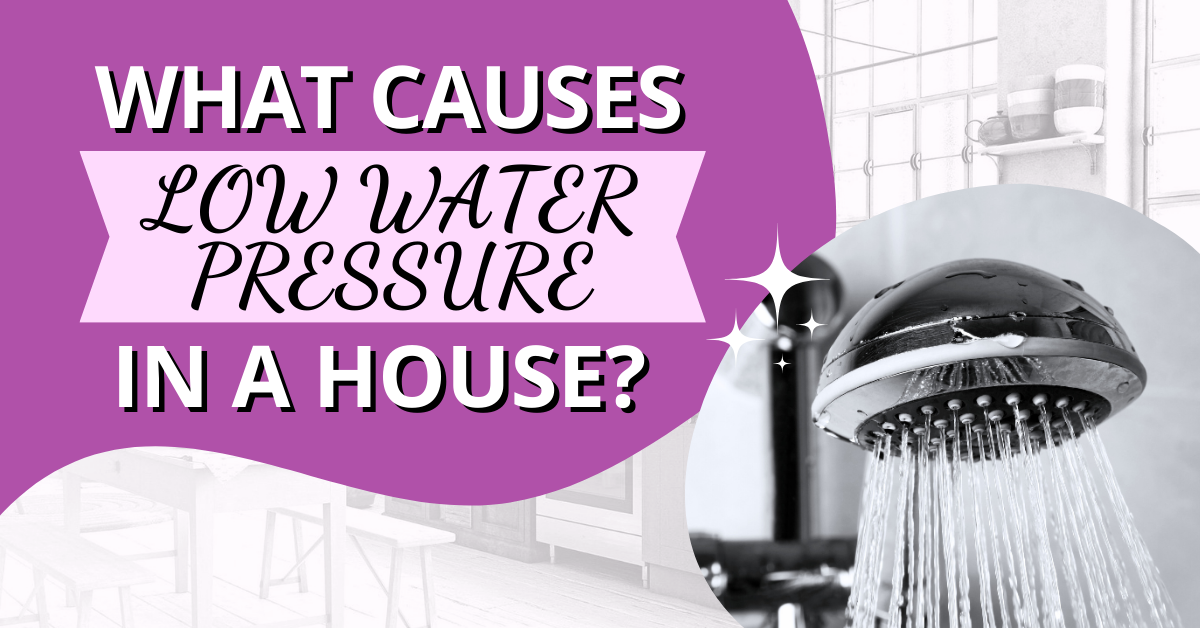
The pressure in your plumbing system is measured in pounds per square inch (PSI), with the ideal range falling between 40 and 50 PSI. If the pressure falls below 40 PSI, you’ll often start to notice slow faucets, weak steam showers, or toilets that take forever to refill. Understanding the signs that your home has low water pressure can help you catch the issue early, before it becomes a bigger headache. Explore the causes of low water pressure in a house and how the team at Frank’s Repair Plumbing can help homeowners in the Amarillo area.
Key Takeaways
- Low water pressure often stems from issues like closed valves, faulty pressure regulators, clogged pipes, or municipal supply problems.
- The top signs of a water pressure problem in your home include limited water flow, sudden pressure drops, sputtering faucets, and slow refilling in sinks, baths, or toilets.
- If pressure is low in only one fixture, it’s often caused by a localized problem, such as a clogged aerator, a failing component, or a kinked supply line.
- Frank’s Repair Plumbing offers same-day repair services in Amarillo that locate the source of your water pressure problems and provide lasting fixes.
Signs Your Home Has a Water Pressure Problem
Hop in the shower only to find a small trickle of water coming out? When you start noticing signs that your water flow isn’t quite right, it’s often a clue that your home is dealing with a low water pressure problem. Some of the top warning signs to watch out for include:
- Weak water flow: Faucets, showers, and other fixtures switching from a strong stream to a weak dribble is a common indicator of falling pressure.
- Sudden pressure drops: If your water pressure suddenly drops when another household member flushes the toilet or uses a tap, your system is likely struggling to maintain pressure.
- Appliance issues: Limited water pressure can make it difficult for dishwashers and washing machines to fill and clean properly, limiting their efficiency and power.
- Sputtering faucets: Water spitting or spraying when you turn on a tap is often a sign of air bubbles or pressure problems within your system.
- Slow refills: Bathtubs, sinks, or toilets that take longer to fill than normal can indicate that your home isn’t getting enough water pressure.
Common Causes of Low Water Pressure in a House
Water pressure problems can stem from something as simple as a partially closed valve inside your home to a serious issue with the main municipal water supply. Locating the source of the problem can help you determine whether it’s a simple DIY fix or requires the help of a licensed plumber.
Amarillo homeowners often deal with water pressure issues from:
- Partially closed valves: If a valve leading to your home or fixtures isn’t fully open, it can restrict water flow and prevent your plumbing from reaching full pressure.
- Faulty pressure regulators: A malfunctioning pressure regulator can prevent your home from maintaining proper water pressure, causing fluctuations or low flow.
- Clogged pipes: Mineral buildup, corrosion, or blockages from everyday waste can restrict water flow and lower pressure throughout your home.
- Hidden leaks: Hidden leaks in your plumbing system allow water to escape, reducing pressure inside your home.
- Water supply problems: Underground water line breaks, maintenance work, seasonal demand, and drought-related pressure fluctuations can lower water pressure for homes throughout the area.
- Aging plumbing systems: Over time, corrosion can form inside galvanized or steel pipes, reducing water flow and limiting pressure.
Why Water Pressure Can Drop Suddenly
Some plumbing problems can make your water flow slow to a trickle over time, but high demand or failing pressure regulators can cause water pressure to drop suddenly, catching you off guard as you wash dishes, take a shower, or run appliances. Sudden drops in water pressure are often caused by things like:
- Running too many appliances: Using multiple fixtures, taps, or faucets at once can overwhelm your plumbing system and cause water pressure to drop temporarily.
- Flushing toilets: Flushing a toilet can cause nearby showers or faucets to lose pressure as water is diverted to refill the tank.
- Pipe leaks or bursts: Sudden leaks or bursts can allow water to escape pipes before it reaches your fixtures, causing a sudden pressure loss.
- Malfunctioning pressure regulators: If internal wear or a failing component causes your pressure regulator to suddenly fail, you may experience abrupt fluctuations or drops in water pressure.
- Main water breaks: Unexpected issues with your main water line can cause low water pressure in your house suddenly.
If you notice an unexpected drop in pressure, double-check that another household member isn’t running an appliance or taking a shower. If the pressure remains low with no other fixtures or faucets in use, there may be a bigger problem in your plumbing system that requires professional repair.
What Does It Mean if Water Pressure Is Weak in Only One Fixture?
If the water pressure is low only in one shower, sink, or faucet in your home, it’s often due to a localized problem, such as a failing component or a closed shut-off valve. The most common causes include a clogged aerator or showerhead, a failing fixture component, or a kinked supply line. Hard water mineral buildup, sediment, or rust can also clog the fixture’s passages, restricting flow and leaving you with little pressure.
Localized issues are much easier to repair than whole-house pressure problems, often requiring only a quick part change or a simple DIY fix. Cleaning or replacing aerators, adjusting the shut-off valve, or clearing a clogged showerhead can get your water pressure back to normal in just a few minutes.
Warning Signs That Require Professional Help for Weak Water Pressure
When water pressure problems stem from sources such as pipe bursts, hidden leaks, or system blockages, it’s best to call a licensed plumber rather than try to repair the issue yourself. Attempting to fix serious plumbing problems without proper training can lead to water damage, flooding, and mold growth.
Some of the top warning signs that it’s time to call in the professionals include:
- Consistently low pressure throughout your home.
- Sudden or recurring drops in pressure without a clear cause.
- Banging, whistling, or rattling noises coming from your pipes.
- Visible wet spots, rust stains, or pooling water on your floors, ceilings, or walls.
- Brown or rusty water coming from your taps.
- Frequent plumbing backups or slow drains.
- Rising water bills, even though your usage is staying the same.
Call Frank’s Repair Plumbing for Expert Water Pressure Solutions
If low water pressure is causing uncomfortable showers, dirty dishes, and other frustrations in your Amarillo home, call Frank’s Repair Plumbing. Our team of licensed and insured plumbers offers same-day plumbing repairs throughout the Texas Panhandle to help homeowners restore proper flow fast. We’ll carefully assess your system, pinpoint the underlying problem, and provide dependable solutions to keep water pumping throughout your home.
Call us or book online to schedule your plumbing service today.